
Mount Kilimanjaro Lemosho Route
The Kilimanjaro Lemosho Route is one of the most scenic and least crowded trails to the summit of Mount Kilimanjaro. Known for its breathtaking landscapes and excellent acclimatization profile, the Kilimanjaro Lemosho Route is a top choice for trekkers seeking a longer and more gradual ascent. This route offers diverse terrains, from dense rainforests to alpine deserts, before reaching the icy summit of Uhuru Peak.
From $. 2,038 USD* / 24/7 service / 7 days Climbing + 2 Hotel Nights.
"Mount Kilimanjaro Lemosho Route"
Starting at Lemosho Gate, the Kilimanjaro Lemosho Route takes climbers through pristine wilderness, providing an incredible opportunity to spot wildlife in the lower forested sections. As the trek progresses, hikers experience panoramic views of the Shira Plateau, the towering Barranco Wall, and distant Mount Meru. The Kilimanjaro Lemosho Route merges with the Machame Route at Shira Camp, ensuring a well-paced climb that enhances acclimatization.
With its longer itinerary, the Kilimanjaro Lemosho Route is ideal for those looking to improve their chances of a successful summit. The extended journey allows for a more gradual adjustment to altitude, making it a preferred option for climbers who prioritize safety and success. Unlike shorter routes, the Kilimanjaro Lemosho Route provides more time to take in the stunning surroundings and adapt to the mountain’s extreme conditions.
While the Kilimanjaro Lemosho Route requires camping throughout the trek, the well-established campsites offer a true wilderness experience. The sense of camaraderie among climbers, combined with the support of experienced guides and porters, makes the Kilimanjaro Lemosho Route a memorable and rewarding adventure.
Arrival in Tanzania: Drive to Arusha town
You’ll meet our ground handling team at Kilimanjaro International Airport and transferred to the delightful Accommodation in Arusha. Relax in your thatched cottage, savor the enchanting views of Mount Meru, and unwind on the private verandah. Located just outside the vibrant town of Arusha, and set in its own tropical gardens under the canopy of Mount Meru, the lodge provides a gentle introduction to the natural beauty of Tanzania.
Accommodations:
- Budget (1&2Stars): Nyumbani Hostel
- Standard (3stars): Planet Lodge.
- Semi-luxury (4stars): The Arusha hotel
- Luxury (5stars): Melia Arusha.
Day 1: Londorossi Gate to Mti Mkubwa
• Elevation: 7,742 ft to 9,498 ft
• Distance: 6 km/4 miles
• Hiking Time: 3-4 hours
• Habitat: Rain Forest
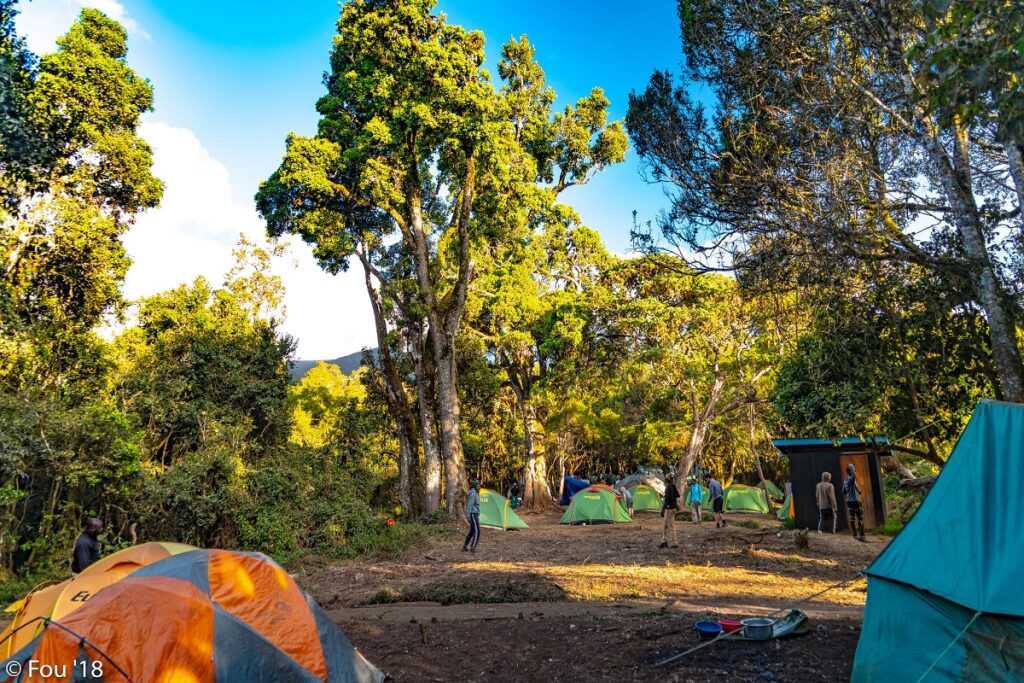
We depart Arusha for Londorossi Gate, which takes about 4 hours, where you will complete entry formalities. Then drive to the Lemosho trailhead. Upon arrival at trailhead, we begin hiking through undisturbed forest which winds to the first camp site.
Day 2: Mti Mkubwa to Shira 1 Camp
• Elevation: 9,498 ft to 11,500 ft
• Distance: 8 km/ 5miles
• Hiking Time: 5-6 hours
• Habitat: Heath
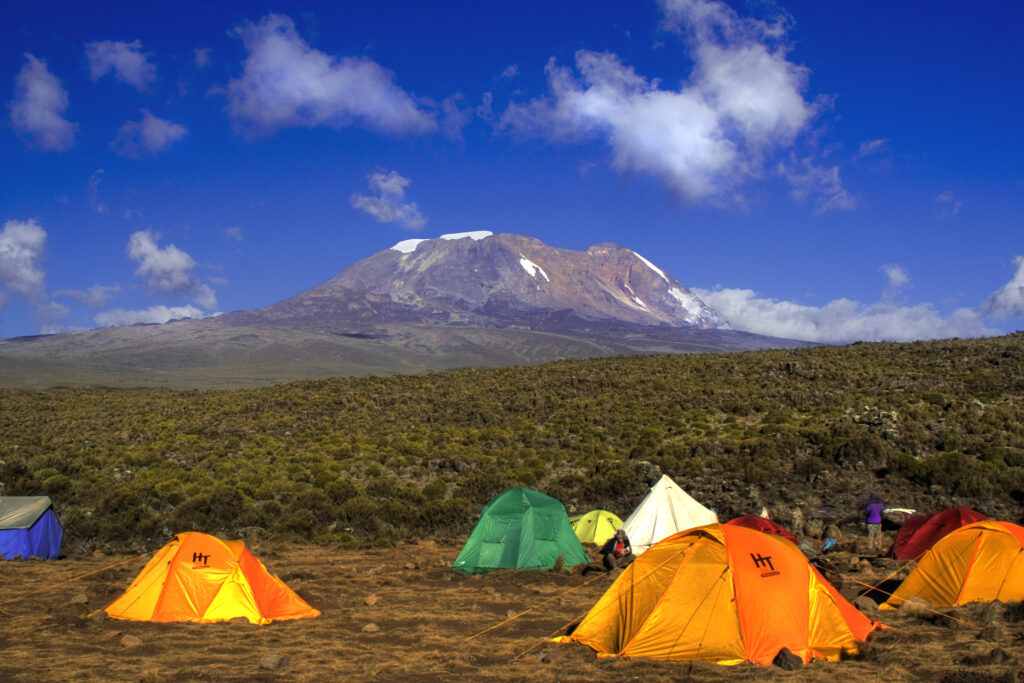
We continue on the trail leading out of the rain forest and into a savannah of tall grasses, heather and volcanic rock draped with lichen beards. As we ascend through the lush rolling hills and cross several streams, we reach the Shira Ridge before dropping gently down to Shira 1 Camp. Here we catch our first glimpse of Kibo across the plateau.
Day 3: Shira 1 Camp to Moir Hut
• Elevation: 11,500 ft to 13,800 ft.
• Distance: 11 km/ 7 miles.
• Hiking Time: 5-7 hours.
• Habitat: Heath
This is an extra day meant for acclimatization and can be spent day hiking on Mawenzi Ridge. The unique landscape offers motivating views of Kibo and Mawenzi. After spending a few moments exploring the area we head back to Horombo Hut.
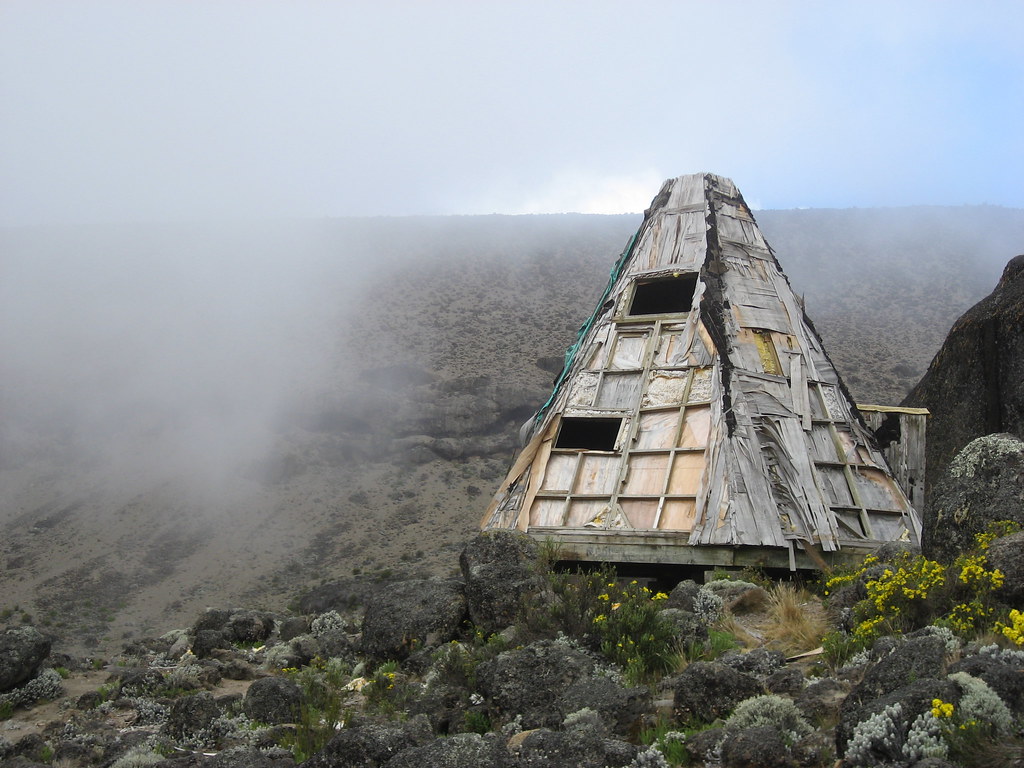
Day 4: Moir Hut to Lava Tower
• Elevation: 13,800 ft to 15,190 ft
• Distance: 7 km/4 miles
• Hiking Time: 4-5 hours
• Habitat: Alpine Desert
Lava Tower to Barranco Camp
• Elevation: 15,190 ft to 13,044 ft
• Distance: 3 km/2 miles
• Hiking Time: 2-3 hours
• Habitat: Alpine Desert
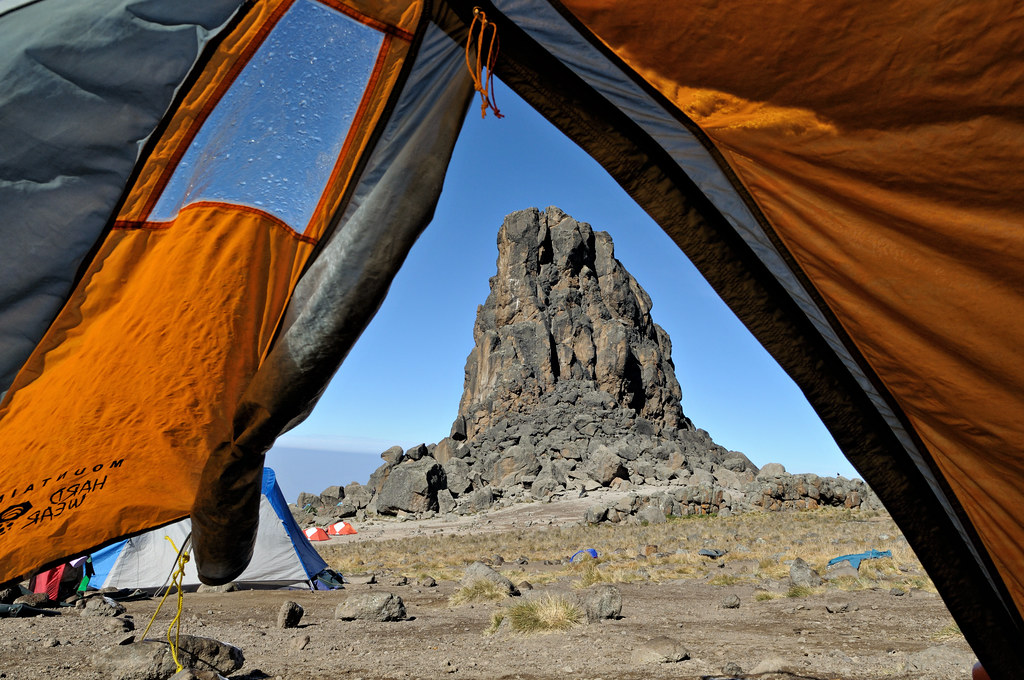
We begin the day climbing up a ridge and then head southeast towards the Lava Tower – a 300 ft tall volcanic rock formation. We descend down to Barranco Camp through the strange but beautiful Senecio Forest to an altitude of 13,000 ft. Although you begin and end the day at the same elevation, the time spent at higher altitude is very beneficial for acclimatization.
Day 5: Barranco Camp to Karanga Camp
• Elevation: 13,044 ft to 13,106 ft
• Distance: 5 km/3 miles
• Hiking Time: 4-5 hours
• Habitat: Alpine Desert
We begin the day by descending into a ravine to the base of the Great Barranco Wall. Then we climb the non-technical but steep, nearly 900 ft cliff. From the top of the Barranco Wall we cross a series of hills and valleys until we descend sharply into Karanga Valley. One steeper climb up leads us to Karanga Camp. This is a shorter day meant for acclimatization.
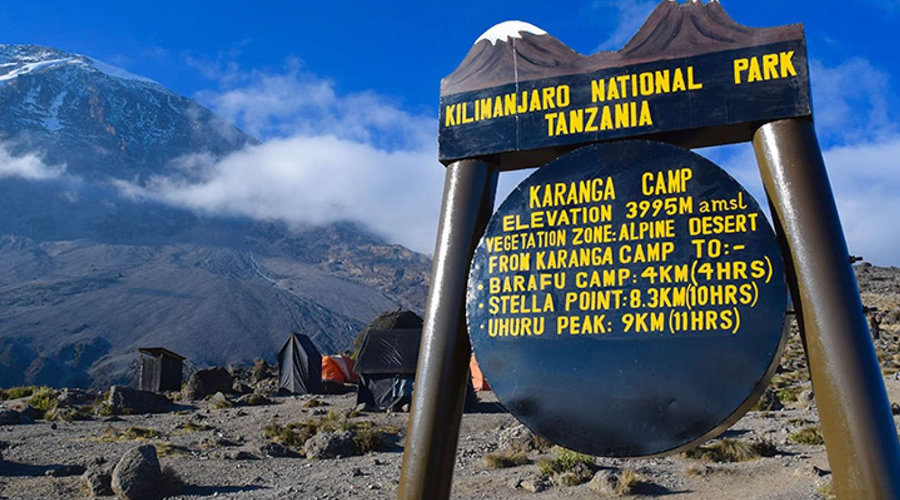
Day 6: Karanga Camp to Barafu Camp
• Elevation: 13,106 ft to 15,331 ft
• Distance: 4 km/2 miles
• Hiking Time: 4-5 hours
• Habitat: Alpine Desert
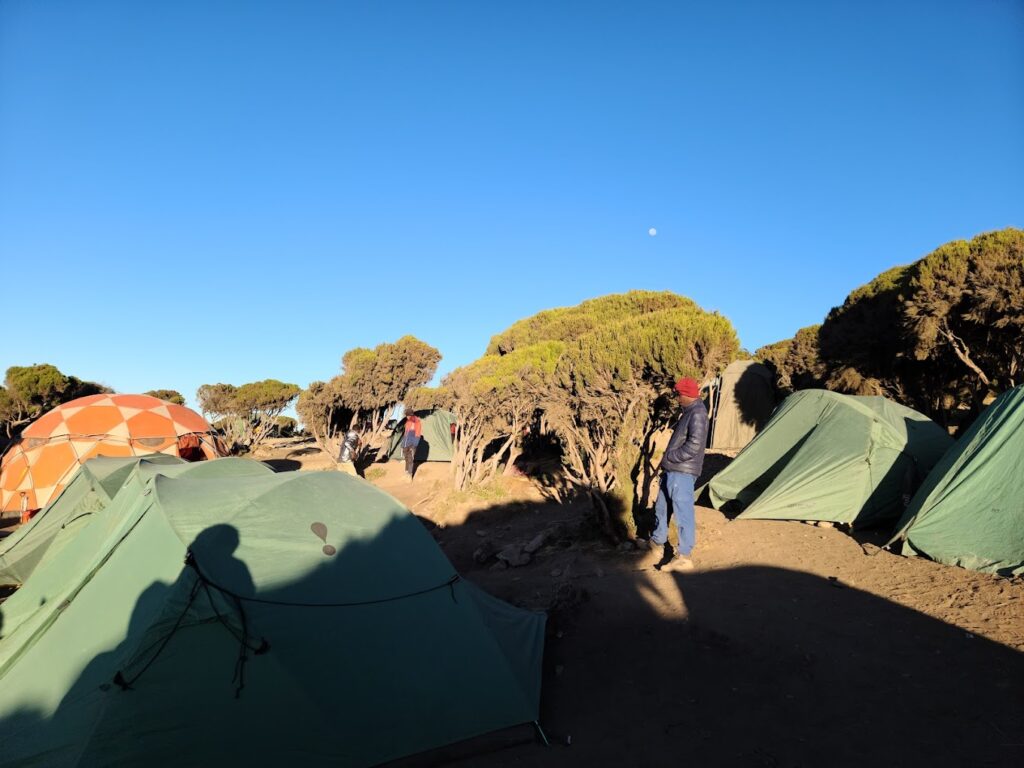
We leave Karanga and hit the junction which connects with the Mweka Trail. We continue up to the rocky section to Barafu Hut. At this point, you have completed the Southern Circuit, which offers views of the summit from many different angles. Here we make camp, rest and enjoy an early dinner to prepare for the summit day. The two peaks of Mawenzi and Kibo are viewable from this position.
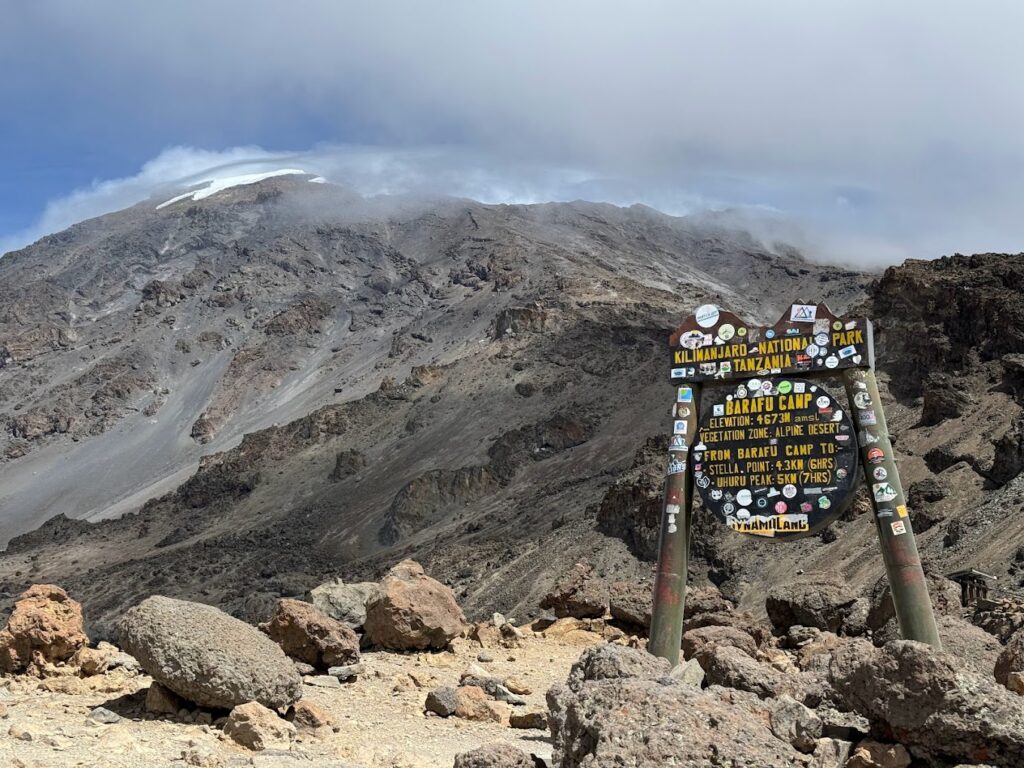
Day 7: Barafu Camp to Uhuru Peak
• Elevation: 15,331 ft to 19,341 ft
• Distance: 5 km/3 miles
• Hiking Time: 7-8 hours
• Habitat: Arctic
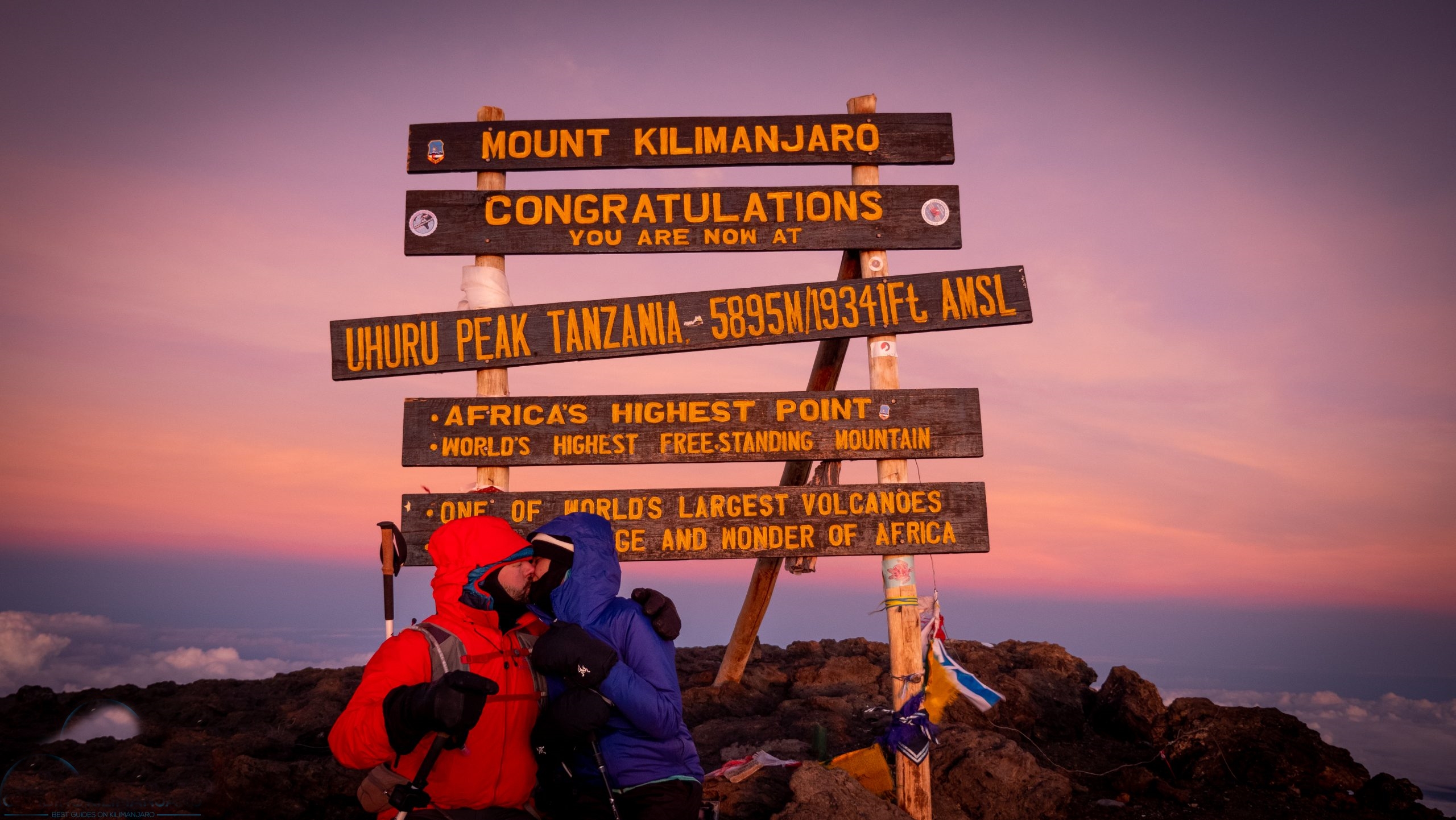
Very early in the morning (around midnight), we begin our push to the summit. This is the most mentally and physically challenging portion of the trek. The wind and cold at this elevation and time of day can be extreme. We ascend in the darkness for several hours while taking frequent, but short, breaks. Near Stella Point (18,900 ft), you will be rewarded with the most magnificent sunrise you are ever likely to see coming over Mawenzi Peak. Finally, we arrive at Uhuru Peak- the highest point on Mount Kilimanjaro and the continent of Africa.
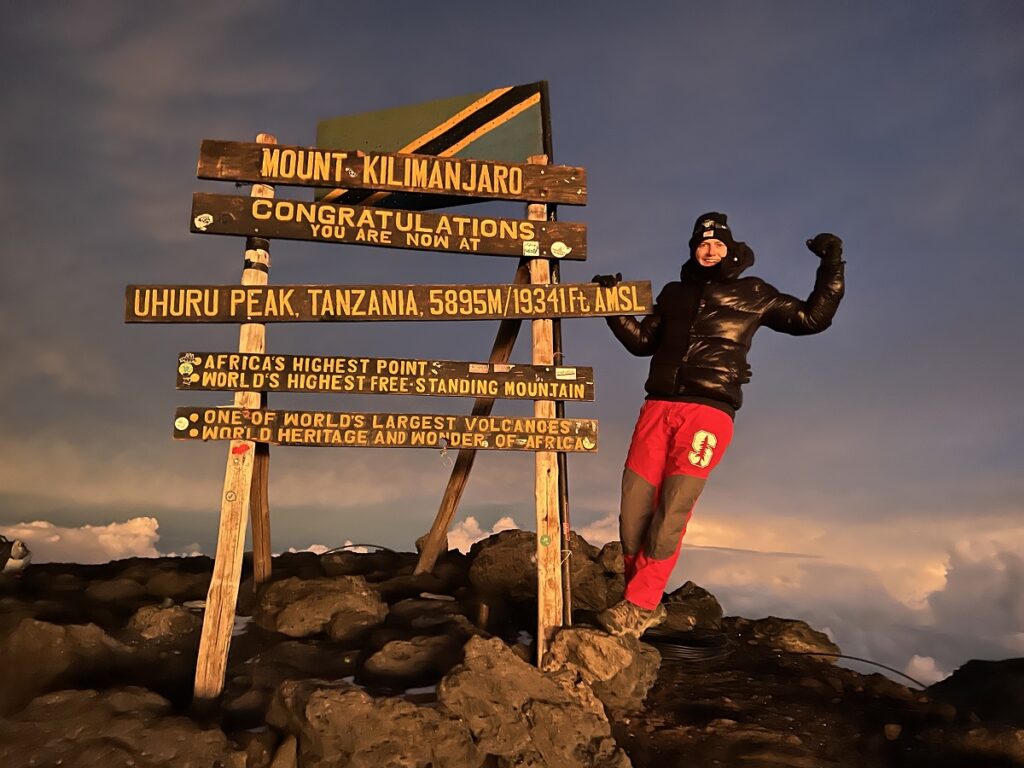
Uhuru Peak to Mweka Camp
• Elevation: 19,341 ft to 10,065 ft
• Distance: 12 km/7 miles
• Hiking Time: 4-6 hours
• Habitat: Rain Forest
From the summit, we now make our descent continuing straight down to the Mweka Hut camp site, stopping at Barafu for lunch. The trail is very rocky and can be quite hard on the knees; trekking poles are helpful. Mweka Camp is situated in the upper forest and mist or rain can be expected in the late afternoon. Later in the evening, we enjoy our last dinner on the mountain and a well-earned sleep.
Day 8: Mweka Camp to Mweka Gate
• Elevation: 10,065 ft to 5,380 ft
• Distance: 10 km/6 miles
• Hiking Time: 3-4 hours
• Habitat: Rain Forest
On our last day, we continue the descent to Mweka Gate. At lower elevations, it can be wet and muddy. From the gate, we continue another hour to Mweka Village. we collect our summit certificates. A vehicle will meet us at Mweka Village to drive us to the accommodation in Moshi or Arusha.
Departing Tanzania or Going to Safari or Beach Extension:
Depending on your flight details, our driver will pick you from the hotel in Moshi and drive you to Kilimanjaro International airport for your flight back home. / If you choose to extend your Kilimanjaro adventure with Safari or beach extension we will proceed with the plan as your itinerary suggested.
Arrival in Tanzania: Drive to Arusha town
You’ll meet our ground handling team at Kilimanjaro International Airport and transferred to the delightful Accommodation in Arusha. Relax in your thatched cottage, savor the enchanting views of Mount Meru, and unwind on the private verandah. Located just outside the vibrant town of Arusha, and set in its own tropical gardens under the canopy of Mount Meru, the lodge provides a gentle introduction to the natural beauty of Tanzania.
Accommodations:
- Budget (1&2Stars): Nyumbani Hostel
- Standard (3stars): Planet Lodge.
- Semi-luxury (4stars): The Arusha hotel
- Luxury (5stars): Melia Arusha.
Day 1: Londorossi Gate to Forest Camp
• Elevation (ft): 7,800ft to 9,500ft
• Distance: 6 km
• Hiking Time:3-4 hours
• Habitat: Rain Forest
We depart Moshi/Arusha for Londorossi Gate, which takes about 4 hours, where you will complete entry formalities. Then drive to the Lemosho trailhead (another hour to reach the trailhead). Upon arrival at trailhead, we eat lunch, and then commence through undisturbed forest which winds to the first camp site.
DAY 2: Forest Camp to Shira Camp 1
• Elevation (ft): 9,500ft to 11,500ft
• Distance: 8 km
• Hiking Time 5-6 hours
• Habitat: Moorland
We continue on the trail leading out of the forest and into a savannah of tall grasses, heather, and volcanic rock draped with lichen beards. As we ascend through the lush rolling hills and cross several streams, we reach the Shira Ridge before dropping gently down to Shira 1 camp. The view of Kibo from across the plateau is amazing.
DAY 3: Shira Camp 1 to Shira 2 to Moir Hut
• Elevation (ft): 11,500ft to 13,800 ft
• Distance: 14 km
• Hiking Time: 5-7 hours
• Habitat: Moorland
We explore the Shira plateau for a full day. It is a gentle walk east toward Kibo’s glaciered peak, across the plateau which leads to Shira 2 camp on moorland meadows by a stream. Then we continue to Moir Hut, a little used site on the base of Lent Hills. A variety of walks are available on Lent Hills making this an excellent acclimatization opportunity. Shira is one of the highest plateaus on earth.
Day 4: Moir Hut to Lava Tower
• Elevation: 13,800 ft to 15,190 ft
• Distance: 7 km/4 miles
• Hiking Time: 4-5 hours
• Habitat: Alpine Desert
Lava Tower to Barranco Camp
• Elevation: 15,190 ft to 13,044 ft
• Distance: 3 km/2 miles
• Hiking Time: 2-3 hours
• Habitat: Alpine Desert
We begin the day climbing up a ridge and then head southeast towards the Lava Tower – a 300 ft tall volcanic rock formation. We descend down to Barranco Camp through the strange but beautiful Senecio Forest to an altitude of 13,000 ft. Although you begin and end the day at the same elevation, the time spent at higher altitude is very beneficial for acclimatization.
DAY 5: Barranco Camp to Karanga Camp to Barafu Camp
• Elevation (ft): 13,000ft to 15,000ft
• Distance: 9km
• Hiking Time: 8-10 hours
• Habitat: Alpine Desert
After breakfast, we leave Barranco and continue on a steep ridge passing the Barranco Wall, to the Karanga Valley campsite. Then, we leave Karanga and hit the junction which connects with the Mweka Trail. We continue up to the Barafu Hut. At this point, you have completed the South Circuit, which offers views of the summit from many different angles. Here we make camp, rest, enjoy dinner, and prepare for the summit day. The two peaks of Mawenzi and Kibo are to be seen from this position.
Day 6: Barafu Camp to Uhuru Peak
• Elevation: 15,331 ft to 19,341 ft
• Distance: 5 km/3 miles
• Hiking Time: 7-8 hours
• Habitat: Arctic
Very early in the morning (around midnight), we begin our push to the summit. This is the most mentally and physically challenging portion of the trek. The wind and cold at this elevation and time of day can be extreme. We ascend in the darkness for several hours while taking frequent, but short, breaks. Near Stella Point (18,900 ft), you will be rewarded with the most magnificent sunrise you are ever likely to see coming over Mawenzi Peak. Finally, we arrive at Uhuru Peak- the highest point on Mount Kilimanjaro and the continent of Africa.
Uhuru Peak to Mweka Camp
• Elevation: 19,341 ft to 10,065 ft
• Distance: 12 km/7 miles
• Hiking Time: 4-6 hours
• Habitat: Rain Forest
From the summit, we now make our descent continuing straight down to the Mweka Hut camp site, stopping at Barafu for lunch. The trail is very rocky and can be quite hard on the knees; trekking poles are helpful. Mweka Camp is situated in the upper forest and mist or rain can be expected in the late afternoon. Later in the evening, we enjoy our last dinner on the mountain and a well-earned sleep.
Day 7: Mweka Camp to Mweka Gate
• Elevation: 10,065 ft to 5,380 ft
• Distance: 10 km/6 miles
• Hiking Time: 3-4 hours
• Habitat: Rain Forest
On our last day, we continue the descent to Mweka Gate. At lower elevations, it can be wet and muddy. From the gate, we continue another hour to Mweka Village. we collect our summit certificates. A vehicle will meet us at Mweka Village to drive us to the accommodation in Moshi or Arusha.
Departing Tanzania or Going to Safari or Beach Extension:
Depending on your flight details, our driver will pick you from the hotel in Moshi and drive you to Kilimanjaro International airport for your flight back home. / If you choose to extend your Kilimanjaro adventure with Safari or beach extension we will proceed with the plan as your itinerary suggested.
Price per Person in Us Dollars:
Group Size | 8 Days Lemosho Route | 7 Days Lemosho Route |
2 – 3Pax | $. 2,680 | $. 2,399 |
4 – 5 pax | $. 2,377 | $. 2,140 |
6 – 7 pax | $. 2,293 | $. 2,038 |
8 – 10 pax | $. 2,218 | $. 1,965 |
Number of Crew team based on group size
Crew | 2 – 3 pax | 4 – 5 pax | 6 – 7 pax | 8 – 10 pax |
Guides | 2 | 2 | 3 | 4 |
Porters | 9 | 18 | 24 | 28 |
Chef | 1 | 1 | 1 | 1 |
Total Crew | 12 | 21 | 28 | 33 |
Price Item Includes:
- 2 Nights’ accommodation at the hotel.(3-stars)
- Return transfers between the hotel to the start / finish point of a climb.
- All Kilimanjaro National Park gate fees, camping / hut fees and climbing permits.
- Kilimanjaro National Park rescue fees (Kilimanjaro Rescue Team).
- Chief guide carries a Pulse Oximeter.
- Emergency oxygen (for use in emergencies only – not as summiting aid).
- Basic first aid kit (for use in emergencies only).
- All mentioned activities unless labeled optional.
- Flying Doctors insurance (AMREF) during the Climb.
- Qualified mountain guide, assistant guides, porters and cook.
- Breakfast, lunch and dinner, as well as hot drinks on the mountain.
- Well maintained Camping equipment’s.
- Water for washing up daily.
- Porter to carry your duffel bag, with maximum weight of 15kg / 32 lbs, from one camp to the next camp.
- Accommodation after Trekking
- Kilimanjaro National Park certificate for your successful summit attempt.
- All Airport Transfers.
Price Item Excludes:
- International and airport taxes.
- Travel Insurance.
- Passport and travel visa requirements (Tanzania visa is required).
- Customary tips for crew/day from group not from person (average tip is anything from USD $20/Chief guide | USD $15/assistance guide | USD $10/Chef | USD $5/@porter.)
- Alcoholic and soft drinks.
- Accommodation after Trekking
- Visa fees.- USD. 50/person
- Optional but highly recommended travel and medical insurance.
- Personal hiking/trekking gear – you could rent some of the gear in Tanzania.
- Optional but highly recommended travel and medical insurance.
- Additional Private portable toilet on mountain – $100/group.
Practical information’s
- Children under 10 years are not allowed to Summit Kilimanjaro.
- The duration of transfers/walking are approximate, the exact duration will depend on the time of day and traffic conditions and customers fitness.
- A Yellow fever vaccination is mandatory when enters Tanzania.
- Visas are available on arrival. All visa requirements are the sole responsibility of the traveler.
What to Pack:
Communal equipment (tents, food, utensils, etc.) is provided. You are responsible for bringing the required, recommended and optional personal gear and equipment listed below. The most common mistake that climbers make is that they over pack. Be selective in what you take with you. Our porters are limited to carrying 33 lbs. (15 kgs) of your personal belongings.
Technical Clothing
- Waterproof Jacket, breathable with hood
- Insulated Jacket, synthetic or down, warm
- Soft Jacket, fleece or soft-shell
- Long Sleeve Shirt, moisture-wicking fabric
- Short Sleeve Shirt, moisture-wicking fabric
- Waterproof Pants, breathable (side zipper
- Hiking Pants
- Fleece Pants
- Shorts (optional)
- Long Underwear, moisture-wicking fabric
- Underwear, moisture-wicking fabric
- Sport Bra (women)
Equipment
- Sleeping Bag, warm, four seasons*
- Camp Pillow, inflatable (optional)
- Trekking Poles, collapsible (highly recommended)*
- Head lamp, with extra batteries
- Duffel Bag, 70L-90L, for porters to carry your equipment
- Daypack, 30L-35L, for you to carry your personal gear (recommended)
Other
- Toiletries
- Prescriptions
- Sunscreen
- Lip Balm
- Insect Repellent, containing DEET
- First Aid Kit
- Hand Sanitizer (REQUIRED)
- Toilet Paper
- Wet Wipes (recommended)
- Snacks, lightweight, high calorie (optional)
- Electrolytes, powder or tablets (optional)
- Camera, with extra batteries (optional)
Headwear
- Face Mask (REQUIRED)
- Brimmed Hat, for sun protection
- Knit Hat, for warmth
- Balaclava or Buff (recommended)
Headwear
- Gloves, warm (waterproof recommended)
- Gloves, light
Footwear
- Hiking Boots or Shoes, warm, waterproof
- Socks, wool or synthetic
- Gaiters, waterproof (optional)
Paperwork
- Trip Receipt
- Passport
- Visa (available to JRO)
- Immunization Papers
- Insurance Documents
Accessories
- Sunglasses or Goggles
- Backpack Cover, waterproof (optional)
- Water Bottle (Nalgene, 32 oz.)
- Water Bladder (Camelbak type, 3 liters)
- Pee Bottle, to avoid leaving tent at night (highly recommended)
- Stuff Sacks, Dry Bags or Ziploc-Type Plastic Bags^ to keep gear dry and separate
*These items can be rented on location – payable in USD cash only.
^There is a general ban on plastic bags in Tanzania, but Ziploc-type bags are permitted for tourists.
BOOK NOW
FAQ's
Everything You Need to Know Before Climbing Mount Kilimanjaro
Climbing Mount Kilimanjaro is a remarkable adventure that requires careful planning and preparation. Whether you are wondering which route to choose, how many days to spend on the mountain, what level of fitness is required or when is the best time to climb, having the right information will help you make confident decisions before beginning your journey.
At Hagen Adventures, we want every climber to feel informed, prepared and ready for the challenge. In this FAQ section, we answer common questions about Kilimanjaro routes, climbing costs, accommodation, weather conditions, acclimatization, safety and equipment, helping you understand what to expect and how to prepare for an unforgettable journey to the Roof of Africa.
We Take Care Of Everything
AIRPORT TRANSFERS
Hussle Free Pick-up & Drop-of
ACCOMMODATIONS
Pre & Post Trek Accommodations
MEALS & WATER
Pre & Post Trek Accommodations
SAFETY & SUPPORT
Pre & Post Trek Accommodations
QUALITY GEAR
Pre & Post Trek Accommodations
Climbing Mount Kilimanjaro is a once-in-a-lifetime adventure, but understanding the costs involved is an important part of planning your expedition. The price of climbing Kilimanjaro varies depending on the route you choose, the number of days spent on the mountain, the size of your group, the level of service and the quality of equipment and support provided by your tour operator. A shorter climb may appear more affordable, but a longer itinerary generally allows better acclimatization and can improve your chances of reaching the summit.
At Hagen Adventures, we believe in transparent pricing and helping every climber understand exactly what they are paying for. From park fees and mountain crew salaries to meals, camping equipment, transfers and safety arrangements, several essential services contribute to the overall cost. Below, we answer the most frequently asked questions about Kilimanjaro climbing costs so you can compare packages confidently, avoid unexpected expenses and choose an expedition that offers genuine value, safety and a rewarding mountain experience.
Frequently Asked Questions About Kilimanjaro Climbing Costs
- How much does it cost to climb Mount Kilimanjaro?
The cost of climbing Kilimanjaro generally ranges from approximately USD 2,000 to USD 5,000 or more per person for a standard guided expedition. Budget, mid-range and luxury packages differ in accommodation, group size, equipment, service levels and itinerary duration.
Your final price will depend on:
- The climbing route selected.
- The number of days on the mountain.
- Whether you join a group or book a private climb.
- The standard of accommodation before and after the climb.
- The number of guides and mountain crew.
- Additional services such as private transfers and equipment rental.
Always compare what is included rather than choosing an expedition based on the lowest advertised price.
- Why is climbing Kilimanjaro so expensive?
Kilimanjaro climbing involves much more than simply hiking up a mountain. Every expedition requires park permits, conservation fees, camping or hut fees, rescue fees, experienced mountain guides, porters, cooks, food supplies, drinking water, transportation and specialised mountain equipment.
Tour operators must also organise logistics for transporting supplies, setting up camps, preparing meals and supporting climbers throughout the expedition. These costs accumulate over several days and are essential to providing a properly organised and safe climb.
- What is included in the Kilimanjaro climbing price?
Most reputable Kilimanjaro climbing packages include:
- Kilimanjaro National Park entrance fees.
- Camping or mountain hut accommodation fees, depending on the route.
- Applicable conservation and rescue fees.
- Professional mountain guides and supporting crew.
- Porters and mountain cooks.
- Meals throughout the climb.
- Drinking water during the expedition.
- Tents and communal dining equipment on camping routes.
- Transfers between the hotel and mountain entrance gates.
- Government taxes applicable to the package.
Always request a detailed quotation because inclusions vary between operators and packages.
- Are Kilimanjaro park fees included in the climbing cost?
Yes, park fees are normally included in the price of a guided Kilimanjaro climbing package. These government-regulated charges can represent a significant portion of the total expedition cost.
Depending on the route and itinerary, they may include:
- Conservation fees.
- Camping fees or hut fees.
- Rescue fees.
- Applicable government levies and taxes.
Ask your operator to clarify how these charges are calculated and whether they are included in the final quotation.
- Which Kilimanjaro route is the cheapest?
The Marangu Route is often among the more affordable options because it has established mountain huts instead of requiring camping equipment to be carried and maintained throughout the expedition.
However, the cheapest route is not necessarily the best choice. The number of days, acclimatization opportunities, route conditions and overall climbing experience should all influence your decision.
- Does the number of climbing days affect the price?
Absolutely. The longer your expedition, the higher the overall cost is likely to be because additional days involve park fees, crew wages, food, accommodation and logistical arrangements.
However, choosing a longer itinerary can provide more time for your body to adjust to the altitude. Routes of seven to nine days are popular choices for climbers seeking a balance between acclimatization and expedition costs.
- Is a private Kilimanjaro climb more expensive than a group climb?
Generally, yes. A private climb is arranged exclusively for you and your chosen companions, allowing greater flexibility in departure dates, pace and personal arrangements.
Group climbs share certain operational costs among participants, making them more affordable per person. Private expeditions are ideal for couples, families, friends and climbers who prefer a more personalised experience.
- Are tips for mountain guides and porters included?
Tips are generally not included in the climbing package. They are an additional expense and an important way to recognise the hard work of the mountain crew.
Your expedition team may include guides, assistant guides, cooks and porters, all of whom contribute to your experience. The recommended tipping amount depends on the size of the group, the length of the climb and the number of crew members.
Ask your operator for current tipping guidelines before departure so you can budget appropriately.
- Do I need to pay for climbing equipment separately?
It depends on what equipment you already own and what your tour operator provides. Essential personal equipment includes suitable hiking boots, thermal clothing, waterproof jackets, gloves, sleeping bags, trekking poles and a headlamp.
Some operators offer equipment rental, allowing climbers to hire selected items instead of purchasing everything. Rental charges are usually additional unless specifically included in your package.
- Are airport transfers and hotel accommodation included?
Not always. Some Kilimanjaro packages include airport transfers and accommodation before and after the climb, while others quote these services separately.
Before confirming your booking, check whether your package includes:
- Airport pickup and drop-off.
- Hotel accommodation before the climb.
- Hotel accommodation after descending.
- Breakfast and other hotel meals.
- Transfers to and from the mountain gate.
These additional arrangements can make a noticeable difference to your overall travel budget.
- Is travel insurance included in the climbing price?
Travel insurance is generally not included in standard Kilimanjaro climbing packages. Climbers should arrange comprehensive travel insurance before arriving in Tanzania.
Your policy should specifically cover high-altitude trekking up to 6,000 metres, emergency medical treatment, evacuation and repatriation. Do not assume that ordinary travel insurance automatically covers high-altitude mountaineering.
- Are there any additional expenses I should budget for?
Yes. In addition to your climbing package, consider budgeting for:
- International flights to Tanzania.
- Tanzania visa fees, where applicable.
- Travel and medical insurance.
- Tips for guides, cooks and porters.
- Personal climbing equipment and rentals.
- Meals and drinks outside the expedition.
- Personal snacks and additional refreshments.
- Hotel accommodation if not included.
- Personal spending and souvenirs.
Planning for these expenses in advance helps prevent unexpected costs during your trip.
- Does the cheapest Kilimanjaro package offer the best value?
Not necessarily. An unusually low price may mean that certain services are excluded, the itinerary is too short, or the operator is reducing important operational costs.
When comparing quotations, pay attention to the number of climbing days, crew arrangements, guide qualifications, food quality, equipment standards, safety procedures and park fee inclusions.
A responsible operator should provide clear pricing, fair treatment of mountain crew and appropriate safety arrangements. Your safety and overall climbing experience should always come before saving a few dollars.
- When should I pay for my Kilimanjaro climb?
Most tour operators require a deposit to confirm your reservation, with the remaining balance payable before the expedition begins or according to the agreed payment schedule.
Payment terms differ between operators. Before making a payment, request a written confirmation showing the itinerary, total price, inclusions, exclusions, deposit requirements and cancellation policy.
- Can I customise my Kilimanjaro climbing package?
Yes. Many local tour operators offer tailor-made climbing packages depending on your preferred route, travel dates, group size and accommodation requirements.
You may choose a private expedition, extend your itinerary for better acclimatization, add hotel nights or combine your climb with a Tanzania wildlife safari or a relaxing Zanzibar beach holiday.
- Can I combine my Kilimanjaro climb with a safari?
Yes! Many travellers choose to combine their Kilimanjaro expedition with a wildlife safari in Tanzania or a beach holiday in Zanzibar. Popular safari destinations include Tarangire National Park, Serengeti National Park and the Ngorongoro Crater.
Combining these experiences allows you to enjoy Tanzania’s mountains, wildlife and beautiful coastline in one unforgettable holiday. Your tour operator can arrange a customised itinerary based on your available time and budget.
- Is it cheaper to book directly with a local Tanzanian tour operator?
Booking directly with a reputable local tour operator can offer several advantages, including direct communication, local expertise, personalised arrangements and potentially better value without unnecessary intermediary costs.
However, price should never be the only consideration. Check the operator’s experience, registration, reviews, safety standards and commitment to responsible mountain tourism before making your decision.
What is the best way to budget for your Kilimanjaro adventure?
We recommend looking beyond the advertised climbing price and calculating the complete cost of your Tanzania holiday. Consider flights, accommodation, transfers, insurance, tips, equipment and any additional experiences you wish to enjoy.
At Hagen Adventures, we believe a successful Kilimanjaro expedition starts with the right preparation, transparent pricing and an experienced mountain team. Whether you are planning a private climb or joining a group departure, our team can help you select the right route, duration and package to suit your expectations and budget.
Best Time to Climb Mount Kilimanjaro: A Month-by-Month Guide
Choosing the best time to climb Mount Kilimanjaro is an important part of planning a successful mountain adventure. Although Kilimanjaro can be climbed throughout the year, certain months offer more favourable weather conditions, clearer skies and better trekking experiences. The mountain has two main climbing seasons: the dry seasons from January to mid-March and from June to October. These periods are generally preferred because rainfall is lower, trails are often drier and visibility is usually better.
At Hagen Adventures, we recommend choosing your climbing dates according to your preferred weather conditions, route, available time and personal expectations. Whether you dream of reaching Uhuru Peak under clear skies, enjoying quieter trails or experiencing the mountain’s beautiful snow-covered summit, understanding the different seasons will help you choose the right time for your Kilimanjaro expedition.
When Is the Best Time to Climb Kilimanjaro?
The two main dry seasons are generally considered the best periods for climbing:
- January to mid-March: Generally warmer conditions, relatively clear mornings and opportunities to see snow around the summit.
- June to October: Cooler and drier conditions, with excellent trekking opportunities and generally good visibility.
These are also popular climbing periods, so advance reservations are recommended, particularly for July, August and September.
Kilimanjaro Climbing Conditions Month by Month
Understanding the weather throughout the year will help you select the most suitable climbing dates.
Month | Weather conditions | Recommendation |
January | Generally dry, clear and relatively warm | (Excellent) |
February | Warm, dry and good visibility | (Excellent) |
March | Increasing rainfall, especially towards the end | (Variable) |
April | Long rainy season, wet and muddy trails | (Not recommended) |
May | Continued heavy rainfall and cloudy conditions | (Not recommended) |
June | Cooler weather as the dry season begins | (Good) |
July | Dry, cold and generally clear | (Excellent) |
August | Dry conditions, excellent visibility and colder nights | (Excellent) |
September | Dry, clear skies and favourable trekking conditions | (Excellent) |
October | Generally good early in the month, with increasing rain risk later | (Good) |
November | Short rainy season with occasional showers | (Variable) |
December | Conditions generally improve as the month progresses | (Good) |
These are typical seasonal patterns, not guaranteed daily forecasts. Mountain weather can change quickly.
The Two Main Kilimanjaro Climbing Seasons
- January to Mid-March – The Short Dry Season
January, February and early March are excellent months for climbing Kilimanjaro. During this period, the mountain generally experiences warmer temperatures, relatively dry trails and good visibility.
The summit may have beautiful snow coverage, creating spectacular photographic opportunities. These months are particularly attractive to climbers who prefer warmer daytime conditions and want to avoid the busiest mid-year climbing period.
Best for: Climbers looking for relatively warm weather, clear mountain views and opportunities to experience the snow-covered summit.
- June to October – The Main Dry Season
June to October is the main climbing season on Mount Kilimanjaro. Rainfall is generally lower, trails are often drier and visibility is usually excellent, making this period particularly popular among international climbers.
July, August and September are especially busy because they coincide with summer holidays in many European and North American countries. Temperatures can be quite cold, particularly at higher elevations and during summit night.
Best for: Climbers looking for drier trails, clear skies, excellent photography opportunities and generally favourable trekking conditions.
When Is the Rainy Season on Kilimanjaro?
Kilimanjaro experiences two main rainy seasons:
Long rainy season (March to May): This is generally the wettest period, with April and May experiencing particularly heavy rainfall. Trails can become muddy and slippery, and cloud cover may reduce visibility.
Short rainy season (November to December): November typically experiences intermittent rainfall, although conditions can vary. Rain may continue into December, particularly during the first part of the month.
Although climbing is possible throughout the year, these periods are generally less favourable for climbers who prefer dry trails and predictable weather.
Which Month Is Best for Avoiding Crowds?
If you prefer a quieter mountain experience, consider climbing outside the busiest holiday periods.
- January and February: Good weather with generally fewer climbers than the July–September peak.
- June: An attractive early-season option as conditions become drier.
- October: Early October can offer a good balance between weather and crowd levels.
- November: Fewer climbers, but a higher likelihood of rain.
Choosing a less crowded month does not guarantee an empty mountain. Your route and departure dates also influence how many climbers you encounter.
Which Kilimanjaro Route Is Best During Different Seasons?
All climbing routes are influenced by the mountain’s seasonal weather patterns, but some approaches may offer advantages under particular conditions.
- Machame Route: Particularly popular during the main dry season, offering spectacular scenery and varied landscapes.
- Lemosho Route: Excellent for climbers who want beautiful scenery, a longer itinerary and good acclimatisation opportunities.
- Marangu Route: Offers mountain hut accommodation, providing shelter from rain during the night.
- Rongai Route: Approaches Kilimanjaro from the northern side, which generally receives less rainfall than the southern slopes.
- Northern Circuit Route: Its longer itinerary offers additional time for acclimatisation and an opportunity to explore quieter sections of the mountain.
- Shira Route: Offers beautiful high-altitude landscapes but starts at a relatively high elevation, making proper acclimatisation particularly important.
What Is the Coldest Time to Climb Kilimanjaro?
July and August are generally among the coldest months on Mount Kilimanjaro, particularly at higher elevations. Summit temperatures can fall well below freezing, sometimes reaching approximately -20°C, especially when wind chill is considered.
However, temperatures vary considerably depending on altitude, wind and weather conditions. Even during the warmer months of January and February, summit night remains extremely cold.
Every climber should bring suitable thermal layers, insulated gloves, a warm sleeping bag, a winter hat and appropriate waterproof clothing.
Can You Climb Kilimanjaro All Year Round?
Yes. Mount Kilimanjaro can be climbed throughout the year, provided the expedition is properly planned and climbers have appropriate equipment and experienced mountain guides.
However, the dry seasons are generally recommended because they offer more favourable trekking conditions. During rainy months, climbers should be prepared for muddy trails, wet clothing, reduced visibility and changing weather conditions.
Choosing a suitable route, allowing sufficient time for acclimatisation and following your mountain guide’s advice are important regardless of the season.
Plan Your Kilimanjaro Climb with Hagen Adventures
There is no single perfect month for every climber. Your ideal climbing season depends on your preferred weather, available travel dates, tolerance for cold conditions and whether you prefer a busier or quieter mountain experience.
At Hagen Adventures, we help you choose the right climbing season, route and itinerary according to your preferences. Our team can arrange private climbs and group departures, with experienced local mountain guides and carefully organised expedition support.
Whether you dream of climbing Kilimanjaro in January, experiencing the clear skies of September or planning a special end-of-year adventure, we are ready to help you make it happen.
Ready to climb Africa’s highest mountain? Contact Hagen Adventures today for route recommendations, available departure dates and a personalised climbing quotation.
Kilimanjaro Packing List: Everything You Need for Your Mountain Adventure
Preparing the right equipment is one of the most important steps when planning to climb Mount Kilimanjaro. From the warm rainforest at the mountain’s base to the freezing temperatures near Uhuru Peak, the mountain passes through several climatic zones, each requiring different clothing and equipment. Having the correct gear will help you stay warm, comfortable, dry and protected throughout your expedition.
At Hagen Adventures, we want every climber to feel confident and well-prepared before setting foot on the mountain. Whether you are climbing the Machame, Lemosho, Marangu, Rongai, Shira or Northern Circuit Route, this Kilimanjaro packing list will guide you through the essential clothing, footwear, personal equipment, toiletries and other items you should bring. Good preparation makes your climb more comfortable and allows you to concentrate on enjoying the incredible journey to the Roof of Africa.
- Clothing: What Should You Wear on Kilimanjaro?
Kilimanjaro’s weather changes significantly with altitude. Layering is the best way to regulate your body temperature as you move through different climatic zones.
Base layers
- 2–3 moisture-wicking thermal tops.
- 2 pairs of thermal leggings.
- 3–4 quick-drying hiking T-shirts.
- 1–2 pairs of comfortable hiking trousers.
Insulating layers
- 1 warm fleece jacket.
- 1 insulated down or synthetic jacket.
- 1 additional warm mid-layer.
Outer layers
- 1 waterproof and windproof jacket.
- 1 pair of waterproof trousers.
Other clothing
- 4–5 pairs of moisture-wicking underwear.
- 4–5 pairs of hiking socks.
- 1–2 pairs of thick thermal socks.
- 1 warm hat or beanie.
- 1 sun hat or cap.
- 1 neck gaiter or buff.
- 1 pair of warm gloves.
- 1 pair of waterproof outer gloves or mittens.
- 1 comfortable outfit for relaxing at camp or in the mountain huts.
- Footwear: Choosing the Right Hiking Boots
Your footwear plays an essential role in your comfort and safety on Kilimanjaro. Choose well-fitting, waterproof hiking boots with good ankle support and reliable grip.
Recommended footwear:
- Waterproof hiking boots, preferably already broken in.
- Comfortable camp shoes or lightweight trainers.
- Gaiters to help prevent stones, dust and water from entering your boots.
- Comfortable hiking socks.
- Spare sock liners if needed.
Avoid wearing brand-new boots for the first time on the mountain. Break them in before your expedition to reduce the risk of blisters.
- Sleeping Equipment
Nights on Kilimanjaro can become extremely cold, especially at higher elevations.
We recommend bringing:
- A sleeping bag suitable for temperatures around -10°C to -20°C, depending on your cold tolerance and the conditions.
- A sleeping bag liner for additional warmth and cleanliness.
- An inflatable or comfortable sleeping pillow, if preferred.
- Earplugs for a more comfortable night’s rest.
For camping routes, your tour operator will generally provide tents and sleeping mats. Confirm the exact arrangements before travelling. On the Marangu Route, climbers sleep in mountain huts rather than tents.
- Daypack and Main Luggage
You will generally need two bags during your Kilimanjaro expedition.
Daypack (approximately 20–35 litres)
This is the bag you carry yourself during daily trekking. It should contain:
- Drinking water.
- Snacks and energy bars.
- Waterproof jacket and trousers.
- Camera or mobile phone.
- Sunscreen and lip balm.
- Personal medication.
- Extra gloves and a warm hat.
- Small personal first-aid supplies.
- Headlamp and spare batteries.
Main duffel bag (approximately 70–90 litres)
Your main luggage is carried by porters and should contain your additional clothing, sleeping equipment and personal belongings. Use a waterproof liner or dry bags to protect your equipment from rain.
Follow your operator’s porter weight restrictions and luggage guidelines.
- Essential Accessories and Personal Equipment
These smaller items can make a significant difference to your climbing experience.
- Trekking poles for additional stability and support.
- Headlamp with spare batteries.
- Sunglasses with good UV protection.
- Sunscreen with SPF 30–50 or higher.
- Reusable water bottles or a hydration bladder.
- Water-resistant dry bags.
- Camera or smartphone.
- Power bank.
- Charging cables.
- Small travel towel.
- Toiletries and personal hygiene products.
- Hand sanitiser and wet wipes.
- Toilet paper and personal waste bags.
- Personal Medication and First-Aid Kit
Although your mountain guides carry appropriate expedition safety equipment, it is advisable to bring your own personal medication and basic first-aid supplies.
Consider packing:
- Personal prescription medication.
- Blister plasters and blister prevention supplies.
- Pain relief medication.
- Antiseptic wipes.
- Small bandages and adhesive plasters.
- Rehydration salts.
- Any altitude-related medication prescribed by your healthcare professional.
Discuss altitude sickness prevention and any medication with your doctor before travelling. Never self-medicate or ignore symptoms of altitude illness.
- Toiletries and Personal Hygiene
Maintaining personal hygiene during a multi-day mountain expedition is important, even when facilities are limited.
Recommended toiletries include:
- Toothbrush and toothpaste.
- Biodegradable or suitable cleansing wipes.
- Small shampoo and body wash.
- Moisturiser.
- Lip balm with sun protection.
- Deodorant.
- Hand sanitiser.
- Quick-drying travel towel.
- Toilet paper.
- Personal hygiene products.
Pack toiletries in small, leak-proof containers to save space and reduce luggage weight.
- Important Travel Documents and Money
Before travelling to Tanzania, ensure that all your travel documents are organised and easily accessible.
Bring:
- Valid passport.
- Tanzania visa, where applicable.
- Travel insurance documents covering high-altitude trekking.
- Flight tickets and booking confirmations.
- Emergency contact information.
- Copies of important travel documents.
- Some cash in US dollars for personal expenses and tips.
- Credit or debit card.
Keep important documents in a waterproof travel pouch.
- What Should You Wear on Summit Night?
Summit night is the coldest and most physically demanding part of your Kilimanjaro expedition. Climbers usually begin their final ascent around midnight, trekking through freezing temperatures towards Uhuru Peak.
Your summit clothing should include:
- Thermal base layer top and leggings.
- Warm fleece or insulating mid-layer.
- Thick insulated down jacket.
- Waterproof and windproof outer jacket.
- Waterproof trekking trousers.
- Warm thermal socks.
- Insulated gloves or mittens.
- Warm beanie covering your ears.
- Neck gaiter or balaclava.
- Waterproof, insulated hiking boots.
- Headlamp with spare batteries.
Dress in layers so you can adjust your clothing as temperatures and physical activity change.
- What Should You Avoid Packing?
Packing efficiently is just as important as bringing the right equipment. Avoid unnecessary items that increase luggage weight.
You generally do not need:
- Heavy everyday clothing.
- Multiple pairs of jeans.
- Excessive toiletries in large bottles.
- Unnecessary electronic devices.
- Expensive jewellery.
- Brand-new hiking boots.
- Bulky items that can be rented locally.
Remember that porters carry your main luggage, so keeping your belongings within the operator’s weight limit is essential.
- Can You Rent Kilimanjaro Climbing Equipment in Tanzania?
Yes. If you do not own all the required mountain equipment, selected items can be rented in Tanzania before your climb. Common rental items include sleeping bags, trekking poles, warm jackets, waterproof trousers, gaiters and other essential mountain gear.
However, we recommend bringing personal items such as properly fitted hiking boots, thermal underwear, socks and comfortable clothing from home whenever possible.
Always arrange equipment rentals in advance and check the condition and suitability of each item before beginning your expedition.
- How Should You Prepare Your Luggage Before the Climb?
Organising your luggage properly makes your expedition much easier.
We recommend separating your belongings into waterproof bags according to their purpose. Keep daily trekking essentials in your daypack, while additional clothing and sleeping equipment should be packed in your main duffel bag.
Your main luggage should be organised so that your porters can carry it comfortably and within the applicable weight restrictions. Keep valuable items, important documents and medication with you rather than placing them in your main luggage.
Prepare for Your Kilimanjaro Adventure with Hagen Adventures
Having the right equipment can make a significant difference to your comfort, confidence and overall experience on Mount Kilimanjaro. From selecting suitable hiking boots to preparing for the freezing summit night, every item on your packing list has a purpose.
At Hagen Adventures, we help our climbers prepare for their expeditions by providing practical packing guidance, equipment recommendations and information about what is included in their climbing packages. Our experienced local mountain team is ready to support you throughout your journey, from the first day on the trail to the final ascent towards Uhuru Peak.
Whether you are planning a private climb or joining a group departure, we want you to arrive prepared, confident and ready for the adventure of a lifetime.
Ready to climb Mount Kilimanjaro? Contact Hagen Adventures today for your climbing itinerary, equipment guidance and personalised quotation.