
Tanzania Travel Info's
Tanzania
Travel Information's
Everything you need to know to plan your perfect Tanzania adventure.
Helpful tips, practical information, and inspiring insights for a smooth and unforgettable journey.
Essential Travel Informations
About Tanzania
Tanzania is a land of breathtaking landscapes, incredible wildlife, and rich cultures. From the endless plains of the Serengeti to the white beaches of Zanzibar, every journey here is extraordinary.
- Home to the Great Migration and the Big Five
- Stunning national parks and conservation areas
- Warm hospitality and vibrant cultures
- Perfect for safaris, adventure & relaxation
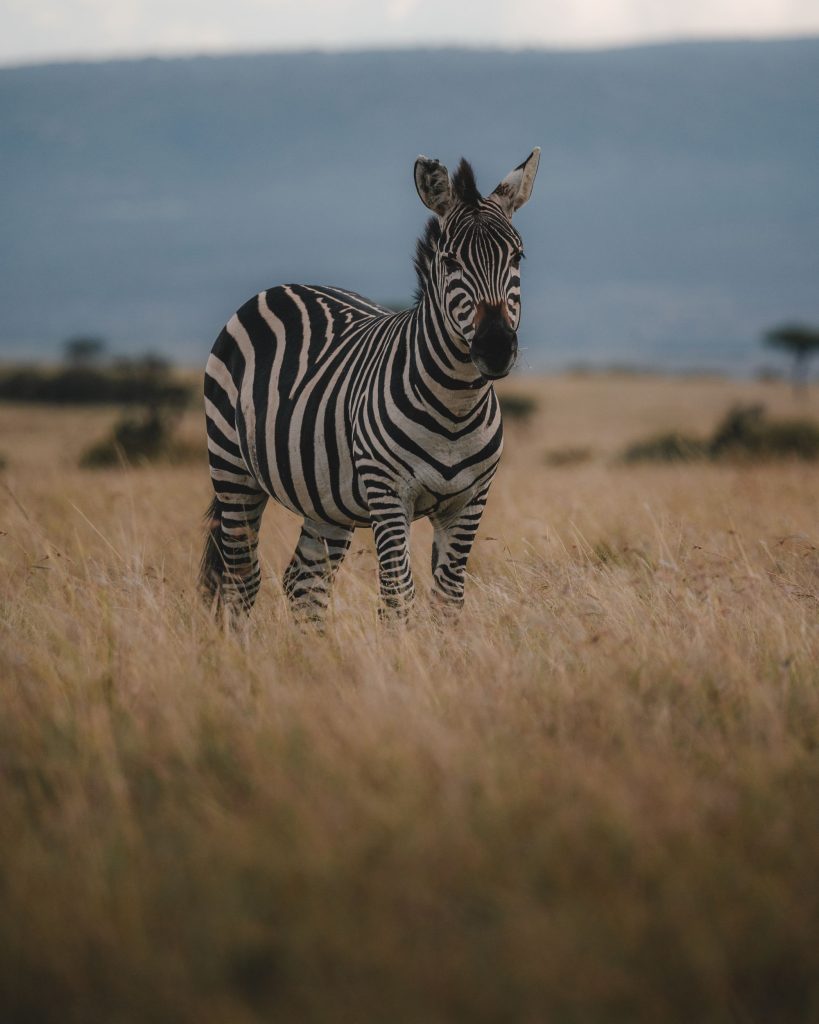
WHEN TO GO
Tanzania is a year-round destination.
Dry Season (June – October)
Best for wildlife viewing. Clear skies and comfortable temperatures.
Green Season (November – May)
Lush landscapes, fewer crowds and excellent bird watching.
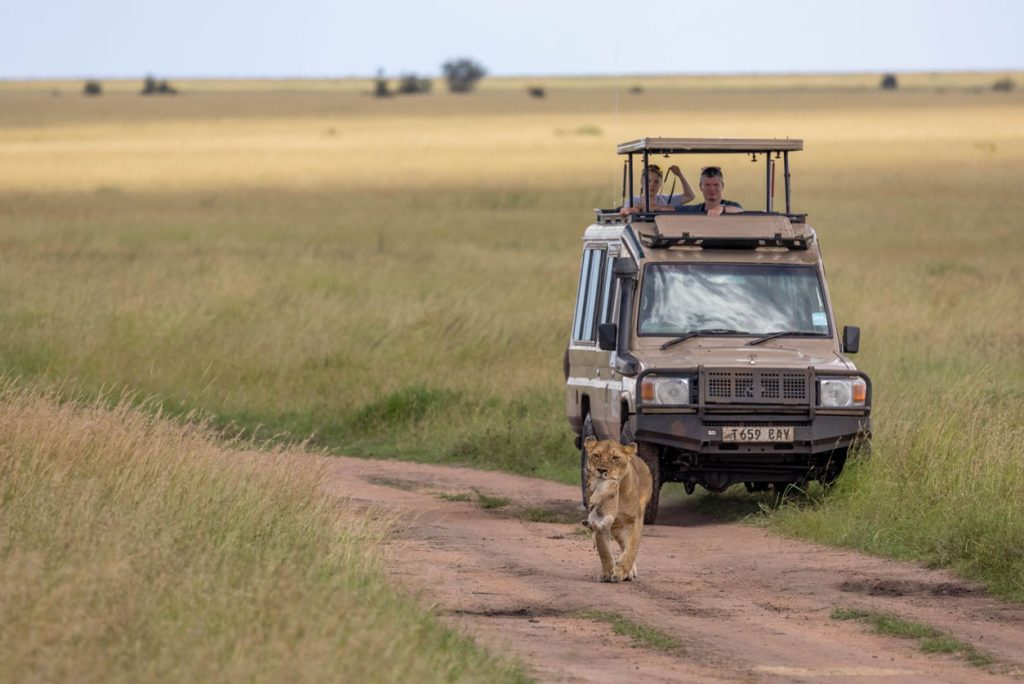
TIPS FOR TRAVELERS
- Respect local customs and cultures
- Ask before taking photos of people
- Stay hydrated and protect from the sun
- Tip guides and staff when you can
- Travel responsibly and leave no trace
NEED HELP PLANNING?
Our travel experts are here to help you plan the perfect Tanzania safari.
Contact Our Team
Frequent Asked Questions
Tanzania Travel Faq's
Tanzania offers one of the most rewarding wildlife experiences on the African continent. Its diverse landscapes, from endless savannahs and volcanic highlands to lush forests and shimmering lakes, provide a home for an incredible variety of animals. Visitors have excellent chances of encountering the legendary Big Five, along with thousands of other species, in some of the world’s most celebrated protected areas.
Thanks to an extensive network of national parks and conservation areas covering a significant portion of the country, travelers can enjoy multi-day or even multi-week safaris through vast, unspoiled wilderness without ever losing the feeling of being immersed in nature. Every destination reveals a different side of Tanzania, making each safari a unique and unforgettable adventure.
Direct flights to Kilimanjaro Airport
Kilimanjaro International Airport is an ideal airport when the safari starts in the north of Tanzania or when you start climbing the Kilimanjaro. Daily, KLM flies directly (from Amsterdam) to Kilimanjaro International Airport.
Do you end your trip with a beach holiday on one of the islands? Then you can fly back to your home destination from the islands via Dar es Salaam.
Direct flights to Dar es Salaam Airport
Dar es Salaam International Airport is an ideal airport when the safari starts in southern Tanzania or when you want to visit the coast of Tanzania or the tropical islands.
KLM, Kenya Airways, Qatar and Emirates have the best connections at Dar es Salaam International Airport. The KLM and Kenya Airways fly directly here (with a short stopover at Kilimanjaro International Airport).
Flights to Zanzibar Airport
Zanzibar International Airport is an ideal airport when you go to the tropical islands of Zanzibar, Pemba or Mafia. There are daily connections from Zanzibar to the other islands.
There are also several daily connections to the mainland to end your trip with a safari. KLM and Kenya Airways have good connections at Zanzibar International Airport. All flights have a transfer in Dar es Salaam or Nairobi.
Entry requirements can change, so please contact your local Tanzanian embassy/high commission to verify that the information below is current.
- A passport is required for all foreign visitors and has to be valid for at least six months.
- Passports must have a clean and full visa page for endorsement.
- Citizens of most countries require a visa. A list of countries that don’t need a visa is available.
- Visas are best obtained in advance through an official online visa-application portal, but they can also be obtained through your local Tanzanian embassy or high commission.
- Visas can also be obtained on arrival.
- When arriving from a yellow-fever-infected country in Africa or the Americas, a yellow-fever vaccination certificate is required.
- All visitors to Zanzibar are required to take out a mandatory travel insurance policy with the Zanzibar Insurance Corporation. To avoid complications upon arrival, this should be bought in advance. For more information or to buy the insurance, use the online portal.
Tanzania can be visited throughout the year, but the ideal time depends on the type of experience you’re looking for. The dry season, from June to October, offers excellent wildlife viewing as animals gather around rivers and waterholes, making game drives especially rewarding. This period is also the peak season for exploring the country’s famous national parks.
For those hoping to witness the incredible wildebeest calving season, January and February are the best months to visit the southern Serengeti, where thousands of calves are born each day, attracting large numbers of predators. While Tanzania’s Northern Safari Circuit—including the Serengeti, Ngorongoro Crater, Tarangire, and Lake Manyara—is a fantastic destination year-round, the more remote Southern and Western Circuit parks are best explored during the dry months when roads are more accessible and wildlife is easier to spot.
Best Time
June to October (All parks),
January to February (Serengeti for the wildebeest calving)
High Season
July to March (Northern circuit parks; all get crowded),
June to October (Southern and Western circuit parks; only Nyerere gets crowded)
Low Season
April and May (Many lodges are closed in the Southern and Western circuit parks)
Best Weather
June to October (Little to no rainfall)
Worst Weather
March to May (Peak of the Wet season)
1. Experience the Great Migration in the Serengeti
The Great Migration is one of the world’s most extraordinary natural events and the highlight of any Tanzania safari. Every year, more than two million wildebeest, zebras, and gazelles journey across the vast Serengeti ecosystem in search of fresh grazing, creating an ever-changing spectacle of movement, survival, and renewal.
No matter when you visit, the migration offers unforgettable wildlife encounters. From the calving season in the southern plains to the dramatic river crossings at the Mara and Grumeti Rivers, each stage of the journey presents unique opportunities to witness nature at its most powerful.
Following the herds are Africa’s iconic predators. The Serengeti is home to one of the continent’s largest lion populations, as well as leopards, cheetahs, spotted hyenas, Nile crocodiles, jackals, servals, and many other remarkable species. Combined with its endless plains, exceptional biodiversity, and year-round wildlife viewing, the Serengeti stands among the world’s finest safari destinations, offering an unparalleled African wilderness experience.
2. Unwind on the Pristine Beaches of Zanzibar
After an unforgettable safari, there’s no better place to relax than the idyllic islands of Zanzibar. Surrounded by the warm turquoise waters of the Indian Ocean, Zanzibar offers the perfect blend of tropical beauty, rich culture, and world-class beach experiences.
Discover the charm of historic Stone Town, where winding streets, centuries-old architecture, vibrant markets, and Swahili heritage tell the story of the island’s fascinating past. Beyond the town, Zanzibar’s crystal-clear waters and colorful coral reefs provide exceptional opportunities for snorkeling, scuba diving, kayaking, dolphin tours, and other marine adventures.
Known as the “Spice Island,” Zanzibar is also famous for its fragrant spice farms, lush tropical forests, and unique wildlife, making it much more than a beach destination. Along the coastline, powder-soft white-sand beaches fringed by swaying palm trees create the perfect setting to unwind, enjoy fresh seafood, watch spectacular sunsets, or simply soak up the island’s laid-back atmosphere. Whether you’re celebrating a honeymoon, ending a safari in style, or seeking a tropical escape, Zanzibar promises an unforgettable island experience.
3. Conquer the Majestic Mount Kilimanjaro
Standing at 5,895 meters (19,341 feet) above sea level, Mount Kilimanjaro is Africa’s highest mountain and the world’s tallest free-standing peak. Rising dramatically above Tanzania’s plains, this iconic mountain attracts adventurers from around the globe seeking the challenge and reward of reaching the “Roof of Africa.”
Climbing Kilimanjaro requires determination, proper preparation, and a good level of fitness, but no technical mountaineering experience is needed. With the support of experienced local guides, porters, and carefully planned itineraries, thousands of trekkers successfully reach the summit each year.
The journey to Uhuru Peak is as rewarding as the destination itself. Trek through lush rainforest filled with unique wildlife, cross alpine moorlands dotted with giant groundsels and lobelias, traverse dramatic volcanic landscapes, and finally ascend beneath a star-filled sky to reach the glacier-capped summit at sunrise. Watching the first rays of light illuminate Africa from the continent’s highest point is an unforgettable achievement and one of the world’s greatest trekking experiences.
4. Explore the Spectacular Ngorongoro Crater
The Ngorongoro Crater is one of Africa’s most remarkable natural wonders and a must-visit destination on any Tanzania safari. Formed millions of years ago when a giant volcano collapsed, this vast volcanic caldera spans over 260 square kilometers and creates a unique ecosystem teeming with wildlife.
Often referred to as Africa’s “Garden of Eden,” the crater is home to an extraordinary concentration of animals, making it one of the best places in the world to see the Big Five in a single day. Lions, elephants, buffaloes, black rhinos, and leopards thrive alongside thousands of wildebeest, zebras, gazelles, hippos, and spotted hyenas, while the alkaline waters of Lake Magadi attract flocks of pink flamingos and countless bird species.
Surrounded by lush forests and towering crater walls, the Ngorongoro Crater offers breathtaking scenery at every turn. Its exceptional wildlife density, stunning landscapes, and year-round game viewing combine to create one of the most unforgettable safari experiences in Africa.
5. Discover Tanzania’s Legendary Northern Safari Circuit
Tanzania’s Northern Safari Circuit is the country’s most famous wildlife route, offering an unforgettable journey through some of Africa’s most iconic national parks. This world-renowned circuit combines spectacular scenery, exceptional wildlife viewing, and diverse safari experiences, making it the perfect choice for first-time visitors and seasoned safari enthusiasts alike.
At its heart are Serengeti National Park and Ngorongoro Crater, two of Africa’s most celebrated safari destinations. Here, travelers can witness the Great Migration, search for the Big Five, and enjoy year-round game viewing in breathtaking landscapes.
The adventure continues in Tarangire National Park, renowned for its giant elephant herds and ancient baobab trees, and Lake Manyara National Park, famous for its tree-climbing lions, abundant birdlife, and dramatic Great Rift Valley scenery. For those seeking something beyond the classic safari, the circuit can also include hidden gems such as Arusha National Park, Mkomazi National Park, and Rubondo Island National Park, offering everything from black rhino conservation to chimpanzee trekking.
Whether you’re dreaming of spotting the Big Five, photographing dramatic landscapes, or experiencing Tanzania’s incredible biodiversity, the Northern Safari Circuit delivers one of the finest wildlife adventures on Earth.
Dry Season – June to October
There is little rainfall in the Dry season and the humidity is very low. It cools off at night. Be sure to pack warm clothing because morning game drives in open vehicles will be cold, especially in the northern parks.
- June, July, August & September – Afternoon temperatures are usually between 20°C/68°F and 30°C/86°F but vary greatly according to altitude and location. Most days have a fine, clear sky and sunny weather.
- October – It’s the end of the Dry season. It is hot and the first rains will come as a relief.
Wet Season – November to May
During most of the Wet season, afternoon temperatures are consistently hot (around 30°C/86°F) but it is colder above 1,300m/4,265ft. Mornings are cold in most northern parks due to the high altitude.
- November & December – ‘Short rains‘ – It rains regularly for about a month sometime between November and December. The timing of the short rains is unpredictable and, in northern Tanzania, it can be as early as October. The rains will rarely interfere with your safari.
- January & February – The northern parks and coastal areas tend to have a break in the rainy season. The other parks don’t really experience a dry spell.
- March, April & May – ‘Long rains‘ – These are the wettest months. It tends to rain heavily almost every day, although not often for the whole day. Humidity tends to be high, especially in the hotter southern and western parks.
Money & Payments
The official currency in Tanzania is the Tanzanian Shilling (TZS). However, US Dollars (USD) are widely accepted for safari tours, hotels, and most tourist services. Credit cards are accepted in many lodges and hotels, though a small surcharge may apply. It is recommended to carry some cash for small purchases, tips, and local markets, especially in remote areas where card facilities may be limited.
Language
The official language of Tanzania is Swahili, while English is widely spoken in the tourism industry, including hotels, safari guides, and national parks. Learning a few basic Swahili phrases is always appreciated and adds a friendly touch to your travel experience.
Electricity
Tanzania uses a 230V supply with 50Hz frequency. The standard plug type is Type G (three-pin UK-style plug). We recommend bringing a universal travel adapter to ensure all your devices can be charged easily during your safari.
Getting Around
Travel in Tanzania is an adventure on its own. Most safari journeys are conducted in comfortable 4×4 Land Cruisers with pop-up roofs, designed for excellent wildlife viewing and photography. For longer distances, domestic flights connect major national parks and Zanzibar, making travel faster and more convenient. Our team handles all logistics, ensuring smooth transfers between destinations so you can focus on enjoying your safari experience.
What to Pack
Packing smart will make your safari more comfortable and enjoyable. We recommend bringing lightweight, neutral-colored clothing, comfortable walking shoes, a warm layer for early mornings and evenings, a hat, sunglasses, and sunscreen. Don’t forget essentials like a camera, binoculars, insect repellent, and personal medications. A small backpack is also useful for game drives and day trips.
Health & Safety
Tanzania is a safe and welcoming destination for travelers when basic precautions are followed. We recommend consulting your doctor before travel for advice on vaccinations such as yellow fever (if required). Malaria precautions are also advised. Travel insurance is strongly recommended for peace of mind. Our professional guides prioritize your safety at all times, and all safari activities are conducted in secure, well-managed environments within national parks and reserves.
Popular Safari Destinations
Explore Tanzania’s most iconic national parks and wildlife destinations, each offering unforgettable safari experiences. From the endless plains of the Serengeti to the majestic Ngorongoro Crater, every destination reveals breathtaking landscapes, abundant wildlife, and unique adventures. Whether you’re seeking the Big Five, the Great Migration, or authentic cultural encounters, we’ll help you find the perfect safari destination for your journey.
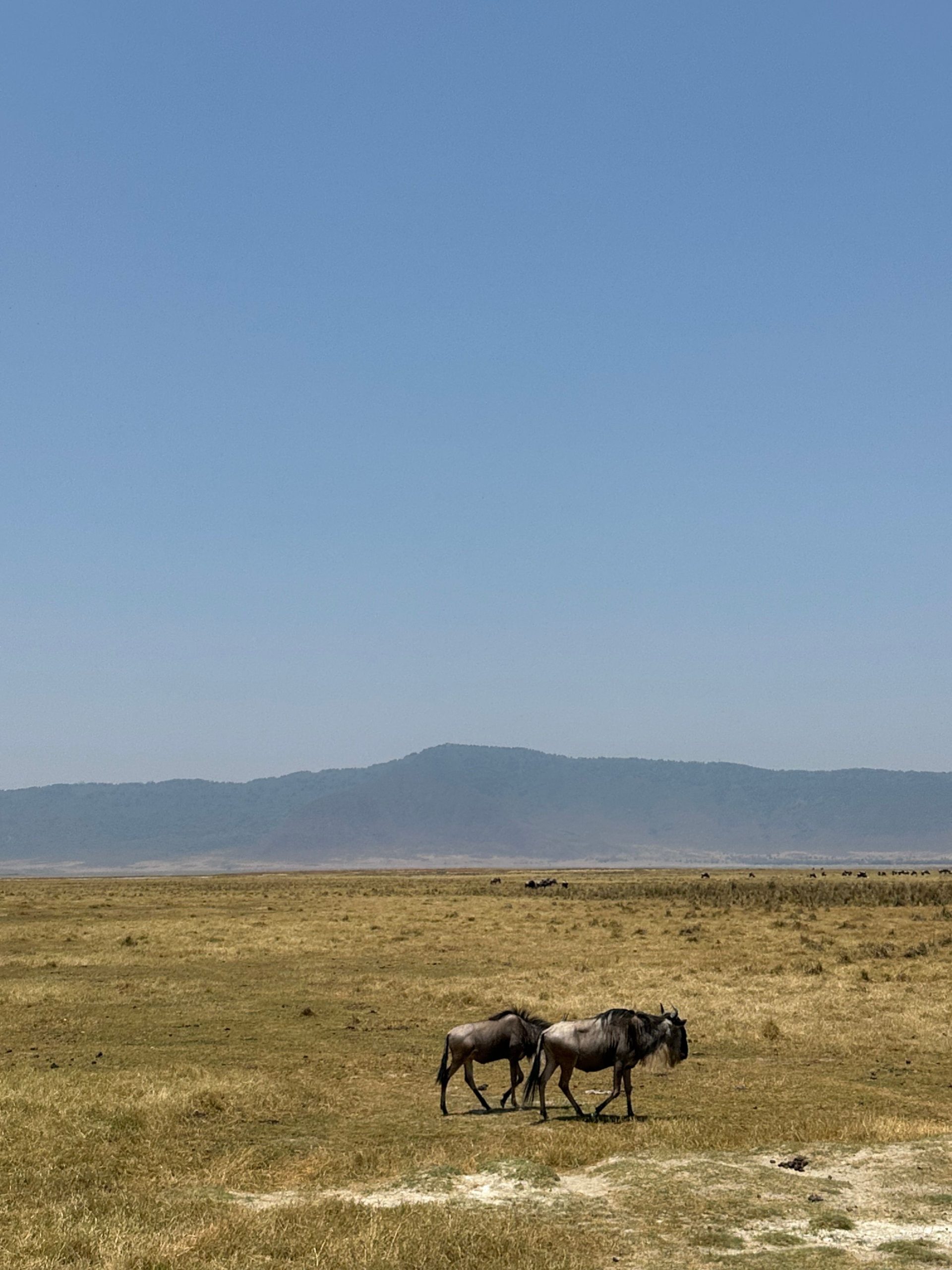
Serengeti National park
Home to the Great Wildebeest Migration and the Big Five, offering one of Africa's most spectacular wildlife experiences.
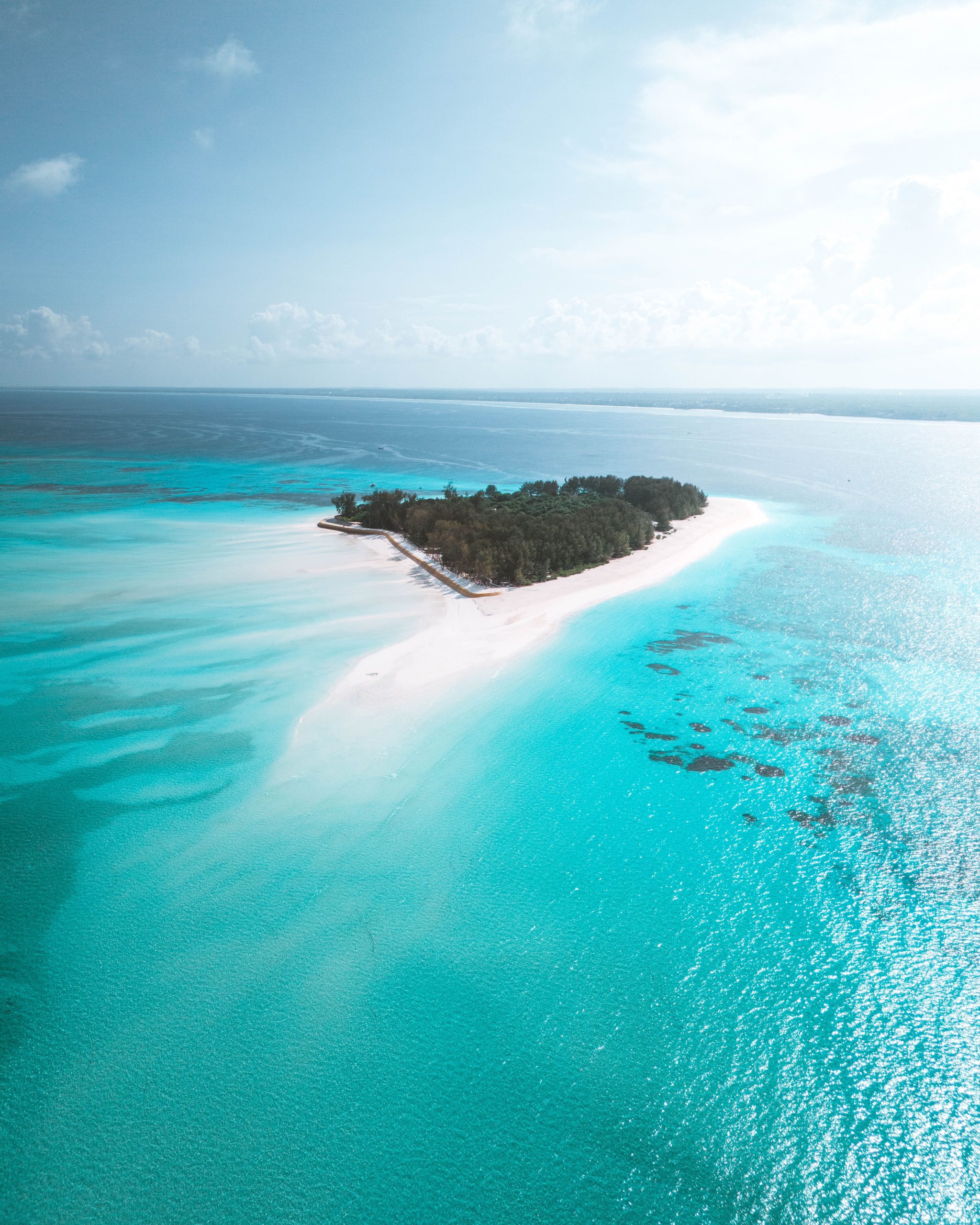
Zanzibar Islands
Relax on pristine white-sand beaches, explore historic Stone Town, and enjoy the crystal-clear waters of the Indian Ocean.
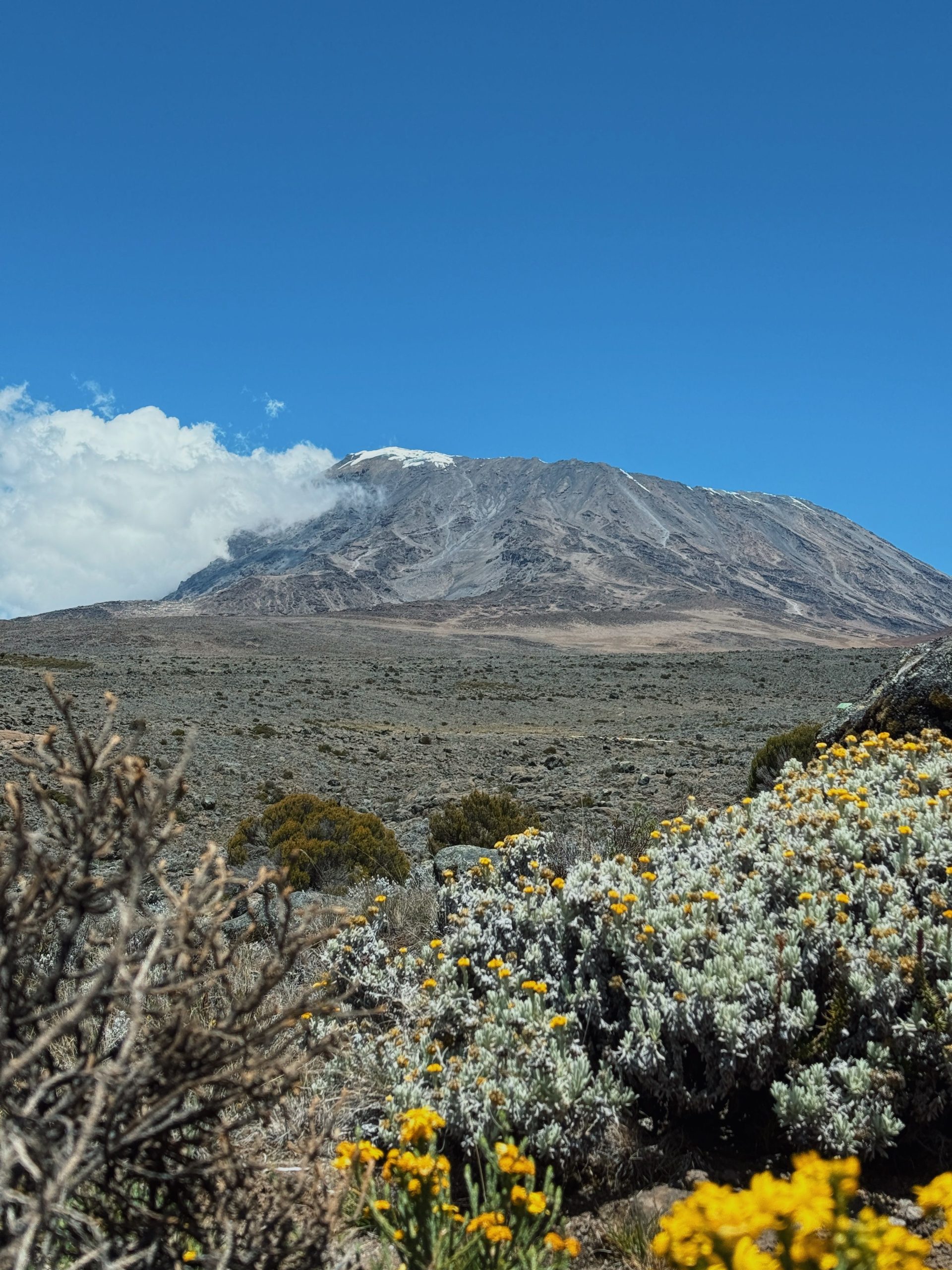
Kilimanjaro Mountain
Africa's highest peak, offering an unforgettable trekking adventure through diverse landscapes to the Roof of Africa.
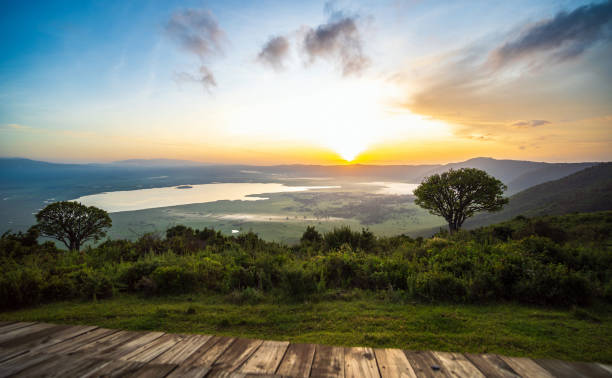
Ngorongoro Crater
A UNESCO World Heritage Site and natural wonder, home to the Big Five within a breathtaking volcanic caldera.
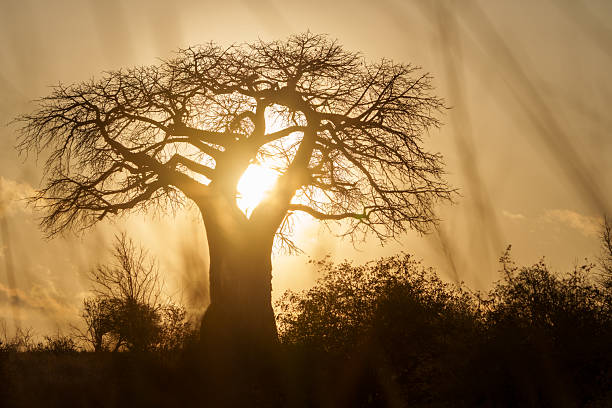
Tarangire National Park
Famous for massive elephant herds, ancient baobab trees, and rich wildlife along the Tarangire River.
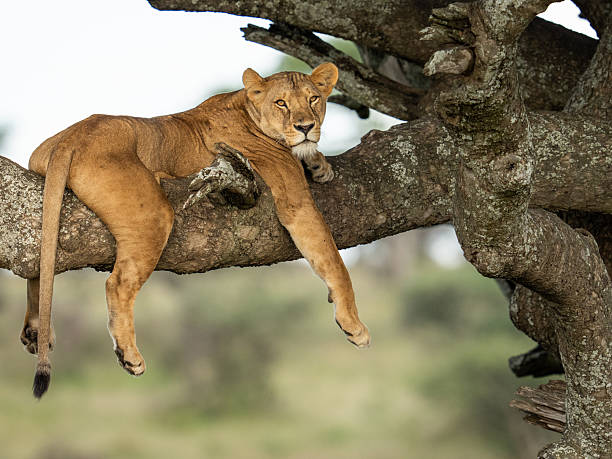
Lake Manyara National Park
Famous for its tree-climbing lions, flamingo-filled lake, and diverse birdlife set against stunning Rift Valley scenery.
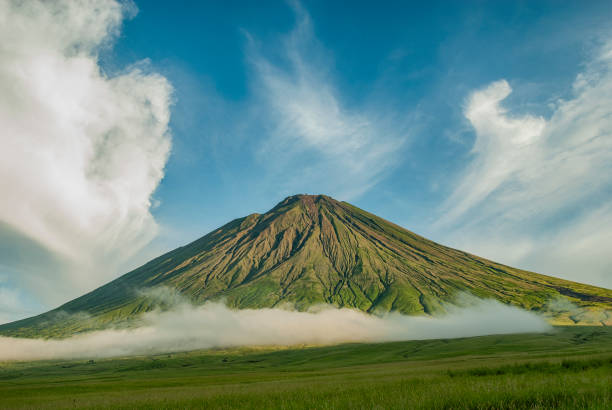
Lake Natron
Explore a surreal salt lake and the sacred “Mountain of God,” an active volcano rising above the Rift Valley.